The second study also showed PEA relieved pain and that the benefits were maintained for a 15-month study period
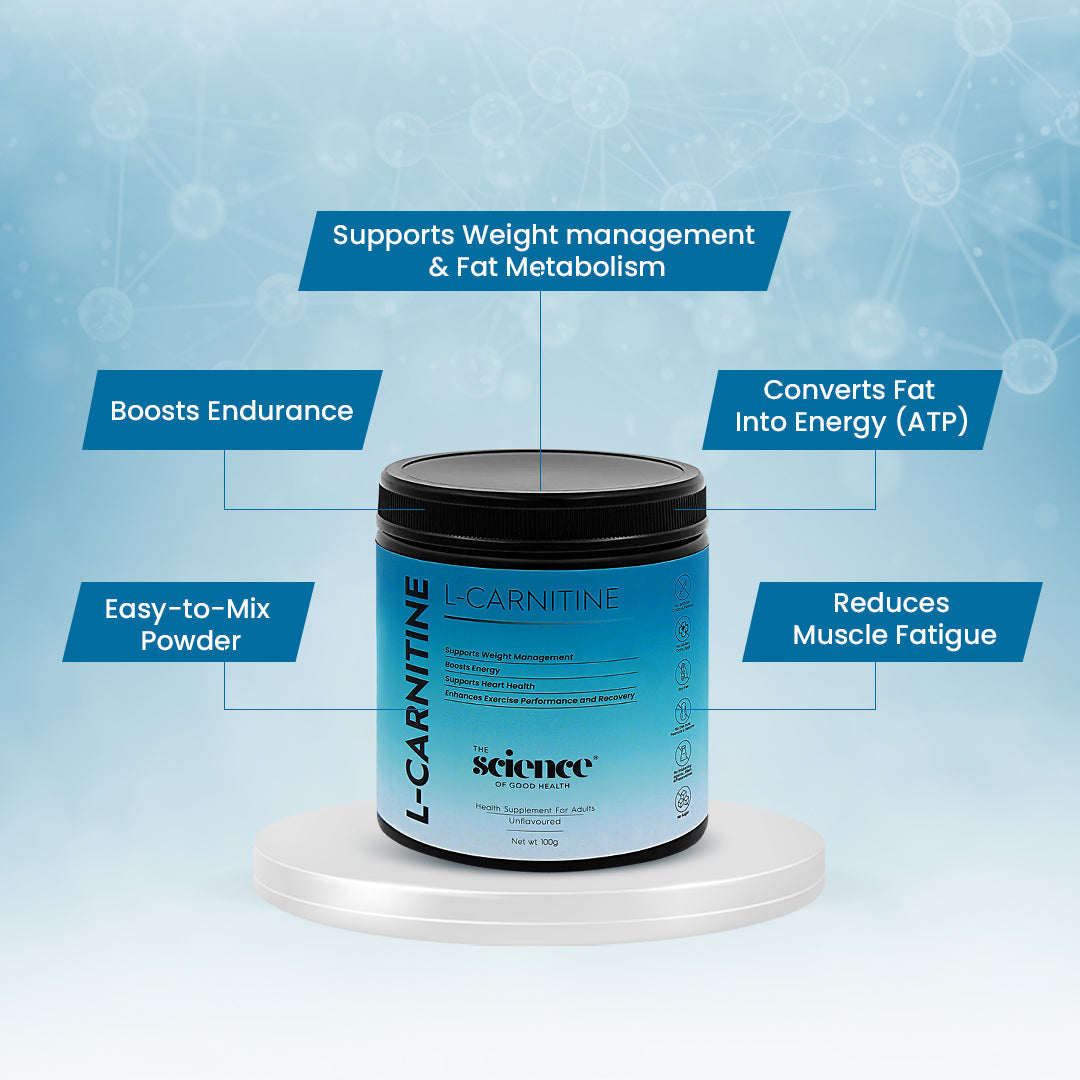
Some people use L-carnitine by mouth for muscle disorders associated with certain AIDS medications, difficulty fathering a child (male infertility), a brain development disorder called Rett syndrome, anorexia, body weakness and wasting due to an illness, weight loss, chronic fatigue syndrome and fatigue associated with multiple sclerosis, celiac disease, cancer, aging, diabetes, metabolic syndrome, overactive thyroid, attention deficit-hyperactivity disorder (ADHD), autism, leg ulcers, Lyme disease, a blood disorder called beta-thalassemia, loss of brain function due to liver damage, hepatitis C, non-alcoholic liver disease, memory, migraine headache, to improve athletic performance and endurance in healthy people and people with a lung condition called chronic obstructive pulmonary disease (COPD)

Candidate transporters and receptors involved in colistin uptake across the brush-border membrane of the proximal tubular cells are the Glycosylphosphatidylinositol (GPI)-anchored protein megalin 13 , the human peptide transporter 2 (PEPT2, SLC15A2 ) and the carnitine/organic cation transporter 2 (OCTN2, SLC22A5 ) 14,15
L-carnitine comes in different forms, including L-carnitine tartrate, which is often favored for athletic performance, and acetyl-L-carnitine, known for its cognitive benefits and energy-boosting effects